
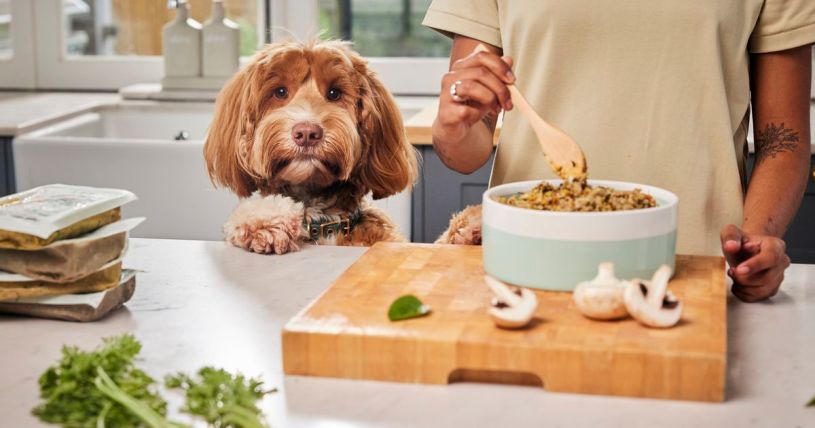
Dogs have a way of brightening every day with their loyalty and energy. For most owners, sharing snacks is one of the small joys of companionship. But as awareness grows about pet nutrition, many people are beginning to rethink what they offer their furry friends between meals. Not all treats are created equal, and understanding the difference between healthy options and filler-heavy snacks can make a significant impact on your dog’s wellbeing.
Over the years, the pet food market has evolved dramatically. Supermarket shelves once packed with colourful, artificially flavoured treats now share space with natural, single-ingredient alternatives. Pet owners are increasingly checking labels, researching ingredients, and asking the same question: “What am I really feeding my dog?” This shift toward mindful feeding has led to more responsible choices in everything from dry kibble to training rewards.
Dogs, like humans, thrive when their diet supports their activity level and health. Too many processed snacks can lead to weight gain, dull coats, and low energy. Many owners notice the difference almost immediately after switching to more natural feeding habits. When treats are made with clean ingredients and no artificial preservatives, dogs tend to digest them better and stay more active throughout the day.
That said, moderation still matters. Treats should be viewed as supplements, not meal replacements. Trainers often recommend the “10 percent rule,” meaning no more than a tenth of your dog’s daily calories should come from treats. This keeps the balance between enjoyment and nutrition in check.
One of the best ways to maintain this balance is by introducing wholesome, natural options like Dog Treats that focus on simplicity rather than additives. These types of snacks are made with ingredients that are easy for dogs to digest and offer genuine nutritional value. Instead of sugars, fillers, or artificial colours, they rely on pure meats or vegetables that provide natural flavour and essential nutrients.
Beyond physical health, treats play an emotional role too. Rewarding your dog strengthens the bond you share and reinforces positive behaviour. Whether it’s teaching a new command or encouraging calmness during grooming, a tasty bite can make learning experiences more positive. However, even in these moments, it’s wise to choose products that don’t counteract your training goals with unhealthy ingredients.
Another point to remember is the importance of texture. Crunchy or chewy treats can help keep teeth clean by reducing plaque buildup, which supports long-term dental health. For breeds prone to dental issues, the right kind of treat can act as both a snack and a mild cleaning tool.
When comparing options, look for clear labelling and short ingredient lists. A good rule of thumb: if you wouldn’t eat it, your dog probably shouldn’t either. Check for artificial preservatives, hydrogenated fats, and colourings, all of which offer no benefit to your pet. Instead, choose treats made from single or limited ingredients that are naturally rich in protein or fibre.
It’s also worth paying attention to how your dog reacts to different foods. Some dogs have sensitive stomachs and may require grain-free or hypoallergenic options. If your dog shows signs of itching, digestive discomfort, or low energy after eating certain products, try eliminating possible triggers one by one. Consulting your vet can also help identify ingredients to avoid.
As pet owners continue to treat their companions as part of the family, demand for quality products will only increase. What we feed our dogs reflects the care we have for their happiness and longevity. By choosing snacks that are both healthy and enjoyable, you give your dog the best of both worlds — flavour and nourishment.
In the end, the right treat doesn’t just fill a belly; it fuels a bond. Every wag of the tail after a well-earned snack is a small reminder that thoughtful choices today contribute to a healthier, happier dog tomorrow.
 Pet Wellbeing Blog