
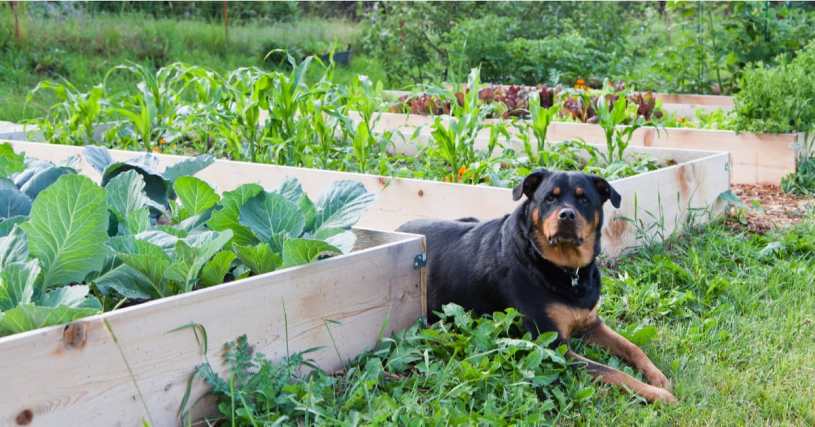
Creating a garden that caters to both pets and humans involves thoughtful planning and attention to detail. Pets, particularly dogs and cats, have unique needs and behaviors that should be considered when designing an outdoor space. This guide outlines practical steps to ensure your garden is a safe, enjoyable, and stimulating environment for your furry companions.
1. Choose Pet-Safe Plants
Selecting plants that are non-toxic to pets is crucial for a safe garden. Many common garden plants, such as lilies, daffodils, and azaleas, can be harmful if ingested. Opt for pet-friendly alternatives like marigolds, sunflowers, and zinnias. These plants not only add color and beauty to your garden but also provide a safe environment for pets.
Additionally, consider using edible plants such as catnip or mint. These herbs can be a delightful treat for pets and offer a sensory experience without posing any risk to their health.
2. Secure Garden Fencing
A secure fence is essential for keeping pets safe within the garden and preventing them from wandering off. When selecting a fence, ensure it is high enough to deter jumping and tall enough to prevent your pet from climbing over. For dogs, especially those known for digging, an underground barrier or extending the fence below ground level can prevent them from escaping.
Ensure that there are no gaps or weak spots in the fence where pets could slip through. Regularly check and maintain the fence to address any wear or damage.
3. Create Shade and Shelter
Providing shade and shelter is important to protect pets from extreme weather conditions. Installing a shaded area using a pergola, gazebo, or large umbrella can offer respite from the sun. Ensure that your pet has access to fresh water and a cool spot to relax during hot days.
For colder months, consider adding a sheltered area or insulated pet house. This will give your pets a warm and secure place to retreat when the weather turns chilly.
4. Incorporate Safe Play Areas
Designating specific play areas for your pets can help manage their activity and keep them engaged. For dogs, consider adding a secure area with agility equipment such as tunnels, jumps, or weave poles. This not only provides physical exercise but also stimulates mental engagement.
For cats, incorporate climbing structures, such as cat trees or shelves, into the garden design. These features allow cats to climb and explore their surroundings in a safe environment.
5. Choose Pet-Friendly Ground Cover
The choice of ground cover in your garden can impact both the aesthetics and safety for your pets. Opt for pet-friendly ground cover options such as grass, clover, or soft mulch. Avoid using cocoa mulch, which can be toxic to pets if ingested.
If you prefer a low-maintenance ground cover, consider using synthetic grass that is easy to clean and resistant to wear. Ensure that the material used is non-toxic and pet-safe.
6. Install Pet-Friendly Pathways
Creating pathways in your garden can help direct pets and provide them with areas to explore. Use materials that are safe and comfortable for pets, such as smooth stepping stones or gravel that is gentle on their paws. Avoid sharp or abrasive materials that could cause injuries.
Consider adding paths that lead to designated play areas, water stations, or shaded spots. This helps pets navigate the garden easily and enjoy their time outdoors.
7. Implement Pet Safety Measures
Safety is a top priority in a pet-friendly garden. Ensure that any garden tools, chemicals, or fertilizers are stored securely out of reach. Opt for pet-safe products when treating plants or the garden area.
Install barriers around ponds or water features to prevent accidental falls. If you have a garden pool, consider adding a pet-safe cover or fencing around it.
8. Provide Enrichment Opportunities
Enrichment is key to a stimulating garden environment. Incorporate features that engage your pet’s senses and curiosity. For dogs, consider adding scent trails or interactive toys that encourage sniffing and exploring. For cats, integrate climbing structures or hanging toys that appeal to their natural instincts.
Regularly update and rotate enrichment items to maintain your pet’s interest and prevent boredom.
9. Maintain a Clean Environment
A clean garden is essential for the health and well-being of both pets and humans. Regularly remove pet waste and clean up any debris to maintain a hygienic space. Ensure that any pet toys or equipment are cleaned and sanitized regularly.
By following these guidelines, you can create a garden that not only enhances the beauty of your outdoor space but also ensures a safe, enjoyable, and stimulating environment for your pets. With thoughtful planning and careful consideration, your garden can become a cherished haven for both you and your furry friends.
 Pet Wellbeing Blog