
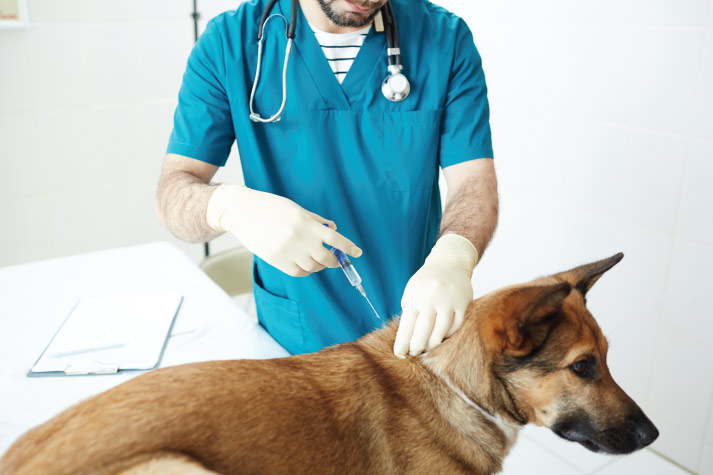
Vaccinations are a cornerstone of preventive care in veterinary medicine, playing a crucial role in safeguarding pets from a range of potentially serious and life-threatening diseases. Understanding the importance of vaccinations, the types available, and their schedules is essential for every pet owner committed to the well-being of their furry companions. This comprehensive guide aims to shed light on the various aspects of pet vaccinations, providing valuable insights to help you make informed decisions for your pets.
The Importance of Pet Vaccinations
Vaccinations work by stimulating the pet’s immune system to recognize and combat specific pathogens without causing the disease itself. This process helps protect pets from infections that could lead to severe illness or even death. By administering vaccines, we not only safeguard individual pets but also contribute to public health by reducing the prevalence of contagious diseases within pet communities.
Core vs. Non-Core Vaccines
Vaccines are categorized into core and non-core types, each serving different purposes based on the pet’s health needs and environmental factors.
Core Vaccines
Core vaccines are considered essential for all pets, regardless of their lifestyle or location. These vaccines protect against the most common and severe diseases. For dogs, core vaccines typically include:
Distemper: A highly contagious viral disease affecting multiple systems, including the respiratory, gastrointestinal, and nervous systems.
Parvovirus: A serious viral illness that causes severe gastrointestinal distress, dehydration, and can be fatal if not treated promptly.
Hepatitis (Adenovirus): A viral infection causing liver disease and affecting the respiratory system.
Rabies: A fatal viral disease transmitted through the saliva of infected animals, affecting the central nervous system.
For cats, core vaccines generally include:
Feline Calicivirus: A common cause of respiratory illness in cats, leading to symptoms like sneezing, nasal discharge, and mouth ulcers.
Feline Herpesvirus: Another major cause of respiratory infections in cats, often presenting with sneezing, nasal discharge, and conjunctivitis.
Feline Panleukopenia: Also known as feline distemper, it is a highly contagious and often fatal viral disease affecting the gastrointestinal tract.
Rabies: Like in dogs, rabies vaccination is crucial due to the potential for severe outcomes and transmission to humans.
Non-Core Vaccines
Non-core vaccines are recommended based on specific factors such as lifestyle, geographic location, and exposure risk. For dogs, non-core vaccines may include:
Bordetella bronchiseptica: The bacterium responsible for kennel cough, which is highly contagious among dogs in close quarters.
Leptospirosis: A bacterial infection that can lead to liver and kidney damage, transmitted through contact with contaminated water or soil.
For cats, non-core vaccines may include:
Feline Leukemia Virus (FeLV): A virus that can cause severe immunosuppression and cancer, primarily affecting cats with higher risk factors.
Feline Immunodeficiency Virus (FIV): A virus that weakens the immune system, similar to HIV in humans, affecting cats with high exposure risks.
Vaccination Schedules
Establishing an appropriate vaccination schedule is vital for ensuring pets receive timely protection. The schedule typically starts early in life and continues into adulthood, with boosters administered periodically.
Puppy and Kitten Vaccination Schedule
First Visit (6-8 Weeks): Initial vaccinations often include distemper, parvovirus for puppies, and calicivirus, herpesvirus, and panleukopenia for kittens.
Second Visit (10-12 Weeks): Additional doses of initial vaccines are administered, along with other vaccines based on risk factors.
Third Visit (14-16 Weeks): Final puppy or kitten series vaccinations, including rabies, are given.
Adult Pet Vaccination Schedule
After the initial series, pets typically receive booster shots every 1-3 years, depending on the vaccine type and manufacturer recommendations. Annual veterinary check-ups ensure that vaccination schedules are up-to-date and tailored to each pet’s health status and lifestyle.
Potential Side Effects and Considerations
While vaccines are generally safe, some pets may experience mild side effects such as slight fever, lethargy, or localized swelling at the injection site. Severe reactions are rare but can occur. It’s important to discuss any concerns with your veterinarian, who can provide guidance and support in managing and monitoring your pet’s response to vaccinations.
The Role of Pet Owners
Pet owners play a crucial role in the vaccination process. Ensuring timely visits to the veterinarian, adhering to vaccination schedules, and keeping records of vaccinations are essential responsibilities. By actively participating in your pet’s preventive care, you contribute significantly to their overall health and longevity.
Final Remarks
Vaccinations are a vital component of responsible pet ownership, providing protection against a range of diseases that could otherwise have severe consequences. By understanding the types of vaccines, adhering to recommended schedules, and monitoring your pet’s health, you can ensure that your furry friends remain protected and healthy. Through diligent vaccination practices, you help to ensure that your pets lead long, healthy lives, free from the dangers of preventable diseases.
 Pet Wellbeing Blog